
Most buyers still shop by feature list. They count connectors instead of testing data depth, reliability, and how much engineering time a platform will quietly consume over the next two years. That approach leads to expensive re-platforming down the road.
This guide gives you a structured framework: data coverage, sync reliability, security, and total cost of ownership, so you can evaluate vendors properly before signing anything.
Key Takeaways
- Connector count matters less than data model depth and normalization quality
- Real-time sync, error handling, and uptime history outweigh fast initial setup
- SOC 2, ISO 27001, and HIPAA compliance are baseline requirements, not bonus features
- Total cost of ownership includes engineering maintenance hours, not just license fees
- Run a pilot with real data before committing to a multi-year contract
What is an API Integration Platform (and Why It Matters for HR Tech)?
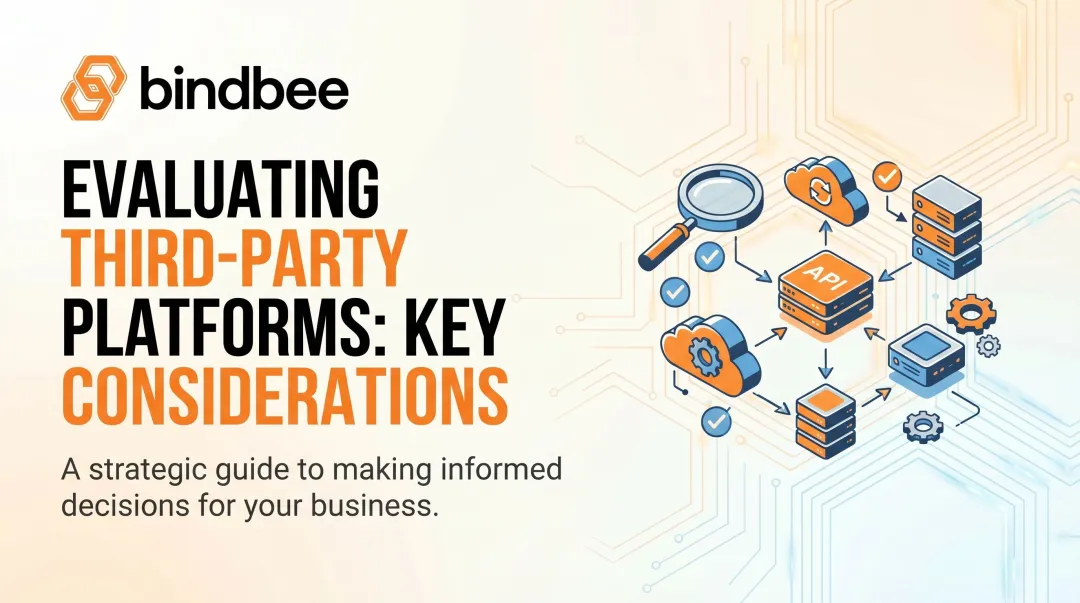
An API integration platform is a unified infrastructure layer that connects third-party systems, like HRIS, payroll, and benefits carriers, through one API. Instead of building and maintaining dozens of point-to-point connections, your engineering team ships one integration and gets coverage across many providers.
There are three distinct patterns to evaluate:
- Point-to-point: A bespoke connector per provider. Maximum control, maximum maintenance burden.
- Unified API (like Bindbee): One normalized interface across dozens of providers, abstracting away schema differences.
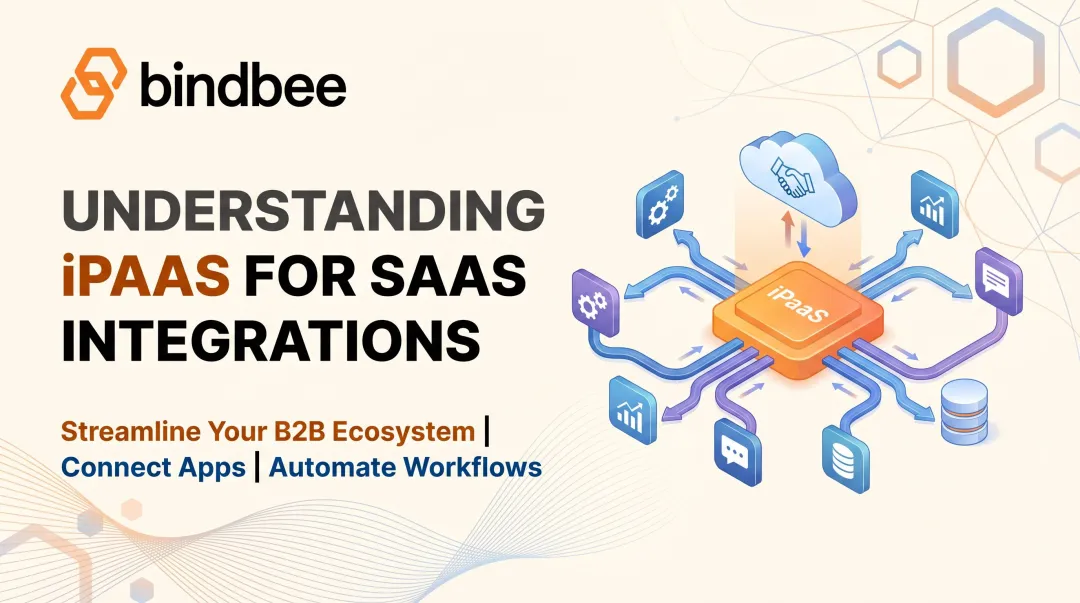
- General-purpose iPaaS (Workato, Boomi): Built for broad workflow automation across any app category, not specifically for HR data structures.

Why HR Tech and Benefits Platforms Specifically Rely on This
HR data lives across a fragmented landscape. SHRM reported that organizations run an average of 26 HR technology modules in 2024, up from just 10 in 2020, according to SHRM's research on HR software sprawl.
Each system's native API varies wildly in reliability and documentation quality.
This fragmentation has real business consequences:
- Slow integrations delay customer onboarding, time-to-value, and revenue
- Manual, fragile integrations eat engineering hours that should go toward core product features
- Every new HRIS a customer uses becomes another maintenance liability when you build it in-house
Core Factors to Evaluate Before Buying an API Integration Platform
These factors separate a platform that scales with your business from one that becomes a liability within a year.
Data Coverage and Normalization
The number of connectors matters less than whether that data actually gets normalized into consistent models. A platform advertising "60+ integrations" is meaningless if employee, employer, and dependent benefits data all look different depending on the source system.
Ask vendors:
- Do you support custom fields alongside normalized fields, or does normalization break edge cases?
- What happens with SFTP-only legacy systems that never expose a modern API?
Some platforms bridge this gap directly. Bindbee's SFTP-to-API bridge ingests CSV, XML, and fixed-width exports from legacy systems and normalizes them into the same schema used for API connections. That matters because detailed benefits plan configurations often live only in file exports.

Data Freshness and Sync Reliability
Stale eligibility data creates real compliance exposure. The DOL gives COBRA enrollees 60 days from the later of coverage loss or election notice, according to DOL's COBRA regulations.
If your platform doesn't detect a termination for days, that clock is already running before anyone acts.
Ask vendors directly:
- Is sync real-time, batch, or triggered by webhooks?
- How quickly do life events (new hires, terminations, dependent changes) propagate?
- What happens during a source system outage — is data cached, or does it just fail silently?
Security and Compliance Credentials
For HR and benefits data, these certifications are non-negotiable:
- SOC 2 Type II — covers security, availability, and confidentiality controls
- ISO 27001 — information security management system certification
- HIPAA compliance — required if PHI is involved, backed by a signed BAA
- GDPR readiness — necessary if any EU employee data is in scope
Don't accept a logo on a website as proof. Request the full report, the audit period, and the certification scope. A platform's marketing page saying "SOC 2 compliant" tells you nothing about what was actually audited.
Implementation Speed and Engineering Burden
Native, single-system integrations typically take 4-8 weeks per connection, including requirements, development, testing, and deployment, according to a Gartner Peer Community discussion on API development timelines.
Multiply that across a dozen HRIS providers, and you're looking at a full engineering quarter or more. Unified API platforms change that math: Newfront cut integration deployment from 8-12 weeks to 48 hours after adopting Bindbee's unified layer, reducing engineering time on integrations by 90%.

Reliability, Monitoring, and Support
Look for built-in webhooks, sync notifications, and error visibility so problems surface before they hit your customers. Ask vendors about:
- Historical uptime and incident response times
- Whether failed syncs retry automatically or require manual intervention
- What support looks like when something breaks at 2 a.m.
Retry behaviour is worth pushing on specifically. A dependable webhook policy uses escalating backoff rather than a fixed loop, so a brief receiver outage doesn't turn into lost eligibility data. Bindbee retries failed deliveries automatically on a backoff schedule and surfaces every failure through sync notifications, so your team sees the problem rather than discovering it through a customer complaint. Automatic incremental syncs mean that when a source system comes back online, the missed changes reconcile without anyone replaying a job by hand — and when a provider changes its API, Bindbee's team absorbs that migration instead of filing it as a ticket for your engineers.
Total Cost of Ownership and Scalability
Evaluate pricing against maintenance savings, not just the subscription fee. In-house integrations consume ongoing engineering time for schema mapping, provider API changes, and edge-case debugging.
Calculate this before you sign anything:
- Engineering hours spent on integration maintenance per quarter
- Fully loaded engineer cost multiplied to an annual dollar figure
- Platform subscription plus implementation time, set against that total
- Error costs from unreliable data: remediation, compliance exposure, and churn

If the platform costs less than the engineering hours and risk it removes, the buy decision is straightforward.
Questions to Ask Vendors During Evaluation
Come prepared with specific, pointed questions:
- How is data normalized across systems, and what happens to fields that don't map cleanly?
- What happens when a source system changes its API without warning?
- How quickly can we launch our first live integration?
- Can we run a sandbox trial or pilot with a real customer use case before committing?
- Can you provide reference customers in our segment (benefits administration, payroll, TPA)?
Don't skip the pilot step. A short proof-of-concept with your actual data reveals gaps that a sales demo never will.
How Bindbee Helps HR Tech and Benefits Platforms Evaluate and Implement with Confidence
Bindbee is a unified API purpose-built for employment data, connecting 60+ HRIS, payroll, benefits, and carrier systems through a single integration layer. Unlike general-purpose iPaaS tools that treat HR data as an afterthought, Bindbee's models are benefits-first:
- Employee — profile, job data, and status
- Employer Benefits and Employee Benefits — plan details, coverage tiers, contributions
- Dependent Benefits — dependent enrollment, linked plans, eligibility
On security, Bindbee holds SOC 2 Type II and ISO 27001 certifications, plus GDPR readiness and HIPAA compliance, meeting the bar outlined above.
Setup typically takes under a day rather than the 4-8 weeks native APIs require, with zero-maintenance integrations and automatic incremental syncs. When a provider like UKG Ready changes its API, Bindbee's team handles the migration, not yours.
Customer outcomes include:
- Phin: 76% reduction in onboarding time and 94% optimization in time-to-value
- Newfront: integration deployment cut from 8-12 weeks to 48 hours
- Healthee: client onboarding 82% faster
Conclusion
Prioritize data depth, reliability, and security that match what your product needs to handle—not the longest connector list.
Evaluation doesn't end at purchase, either. Sync performance and system coverage should get reviewed periodically as vendors add systems and your customer base grows.
Before you sign a multi-year contract, run a pilot. It's the single best way to validate vendor claims against your actual use case.
Frequently Asked Questions
What is an API?
An API is a defined interface that lets applications communicate with each other. For example, a payroll system might expose employee compensation data to a benefits platform through its API.
What are some examples of API integration?
Common examples include HRIS-to-benefits-carrier syncing, CRM-to-marketing-automation connections, and e-commerce-to-ERP data flows. In HR tech specifically, this often means syncing employee, payroll, and eligibility data across multiple systems.
How much does an API integration platform cost?
Pricing varies based on connector volume, data complexity, and whether it's usage-based or per-connection. Total cost of ownership should always factor in engineering maintenance savings, not just the subscription fee.
How long does it take to implement an API integration platform?
Native, single-system builds typically take 4-8 weeks per connection. Unified API platforms like Bindbee can get customers connected in under a day, sometimes in minutes for well-documented systems.
Can API integration platforms handle legacy or file-based systems?
Yes. Some platforms, including Bindbee, offer SFTP-to-API bridges that ingest CSV, XML, and fixed-width file exports and normalize them into the same schema as API-based connections.
What security certifications should an API integration platform have?
SOC 2 Type II, ISO 27001, HIPAA compliance, and GDPR readiness are baseline requirements for any platform handling HR or benefits data. Always request documentation, not just marketing claims.